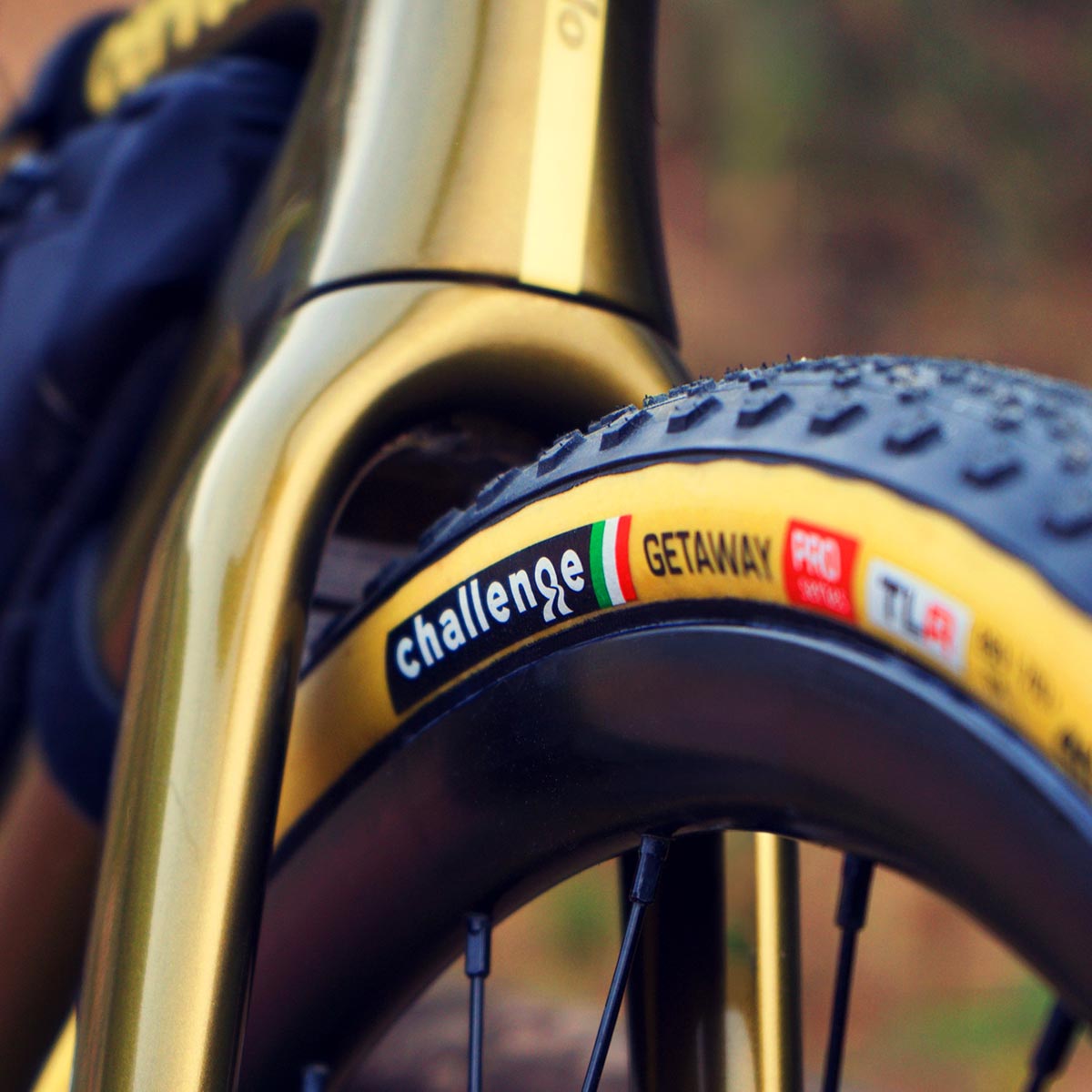
How to Choose the Best Gravel Tires for Speed, Grip, and Puncture Protection

Gravel riding means something different to everyone. For some, it’s flying down smooth dirt roads; for others, it’s navigating chunky, root-heavy singletrack that pushes the limits of a drop-bar bike. Because the terrain is so unpredictable, your choice of rubber is the single most important upgrade you can make.

But with so many options on the market, how do you know what the best gravel tires are for your specific setup?

Whether you are gearing up for a fast 100-mile race or looking for a durable "daily driver" to explore your local trails, this guide breaks down everything you need to know about gravel tires, tread patterns, and sizing.

What Makes the Best Gravel Tires?

There is no such thing as one perfect tire for every rider. The best gravel tires are the ones that perfectly match your local terrain, your bike's clearance, and your riding style. When evaluating a tire, you need to consider three main factors: Width, Tread Pattern, and Casing.

1. Tire Width and Volume

Gravel tires generally range from 33mm to 50mm wide. The width dictates how much air volume the tire holds, which directly impacts your comfort and traction.

  • 33mm – 38mm (Fast & Firm): Best for riders who spend 50% of their time on tarmac and 50% on smooth, hard-packed dirt. They offer the lowest rolling resistance but sacrifice comfort on chunky rocks.
  • 40mm – 42mm (The Sweet Spot): The gold standard for modern gravel. A 40mm tire provides enough volume to run lower tire pressures, absorbing chatter and preventing punctures, while still rolling fast on the straights.
  • 45mm+ (Aggressive & Loose): Built for the rough stuff. Maximum volume allows for incredibly low pressures, creating a massive contact patch for traction in deep mud, loose gravel, and technical descents.

2. Tread Patterns: Slick vs. Knobby

Your tread determines how the tire interacts with the ground. A highly aggressive tire in the wrong conditions will feel sluggish, while a slick tire in the mud will leave you spinning out.

  • File Tread / Semi-Slick: Features a mostly smooth center for blazing speed on pavement and hard-packed dirt, paired with slight shoulder knobs for cornering confidence. (Ideal for: Champagne gravel and dry summer riding).
  • Mixed / Intermediate: Tightly packed, low-profile knobs in the center with aggressive side lugs. This provides a "velcro-like" grip on loose-over-hardpack surfaces without feeling like a tractor tire on the road. (Ideal for: Versatile, everyday riding).
  • Aggressive / Mud: Tall, widely spaced knobs designed to dig deep into soft terrain and shed mud quickly. (Ideal for: Wet seasons, forests, and unpredictable, chunky terrain).

3. Casing and Construction: The Secret to Speed

You can have the best tread in the world, but if the tire casing is stiff and heavy, your bike will feel dead. Most mass-market gravel tires are vulcanized (stiff nylon baked with rubber). While durable, they often have high rolling resistance. Premium gravel tires utilize handmade cotton or polyester casings with a high TPI (Threads Per Inch). A higher TPI means the tire is incredibly supple, allowing it to deform over rocks and roots rather than bouncing off them. This reduces rolling resistance and drastically improves grip.

What Makes the Best Gravel Tires?

There is no such thing as one perfect tire for every rider. The best gravel tires are the ones that perfectly match your local terrain, your bike's clearance, and your riding style. When evaluating a tire, you need to consider three main factors: Width, Tread Pattern, and Casing.