Handmade Tires
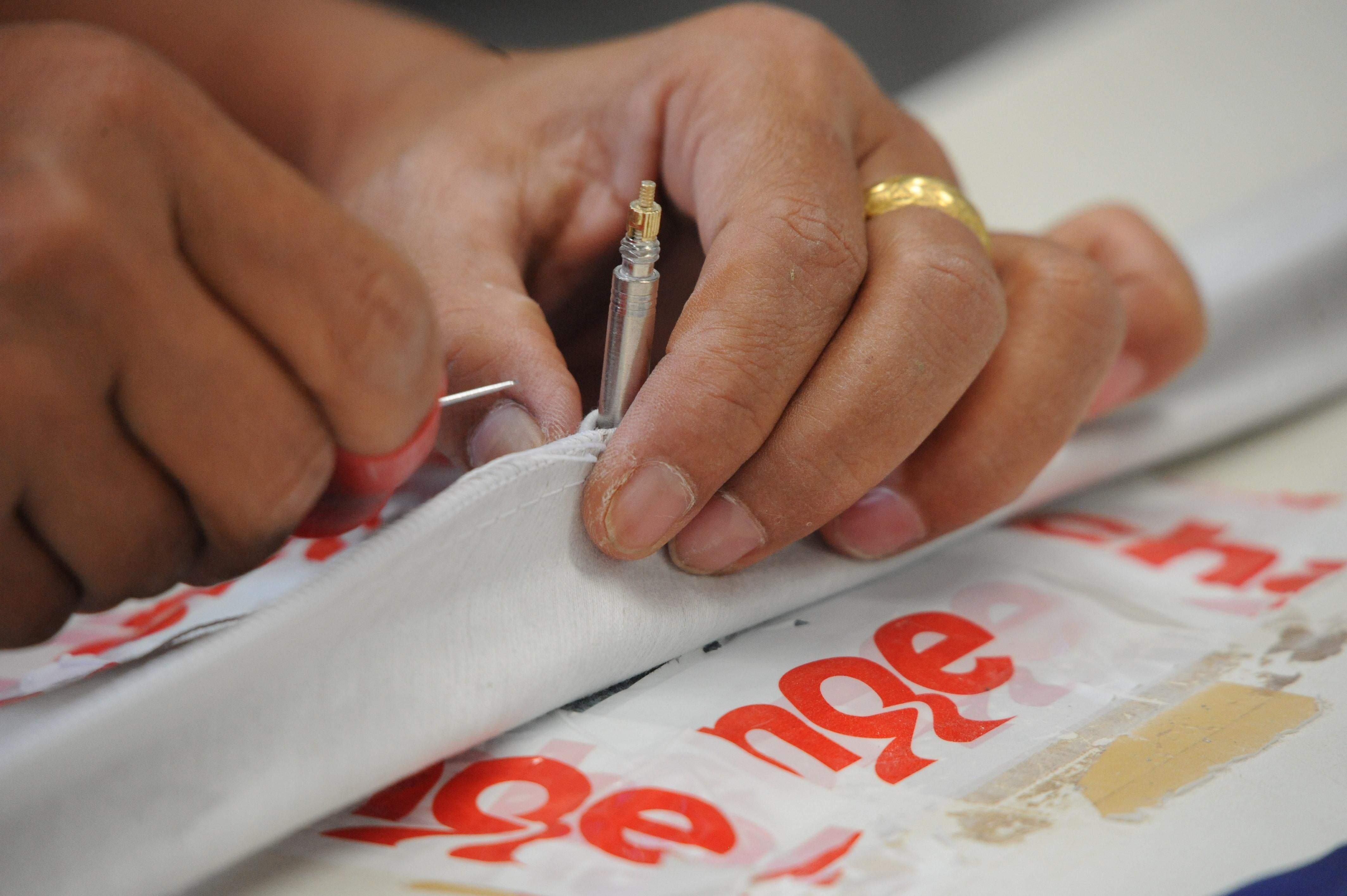
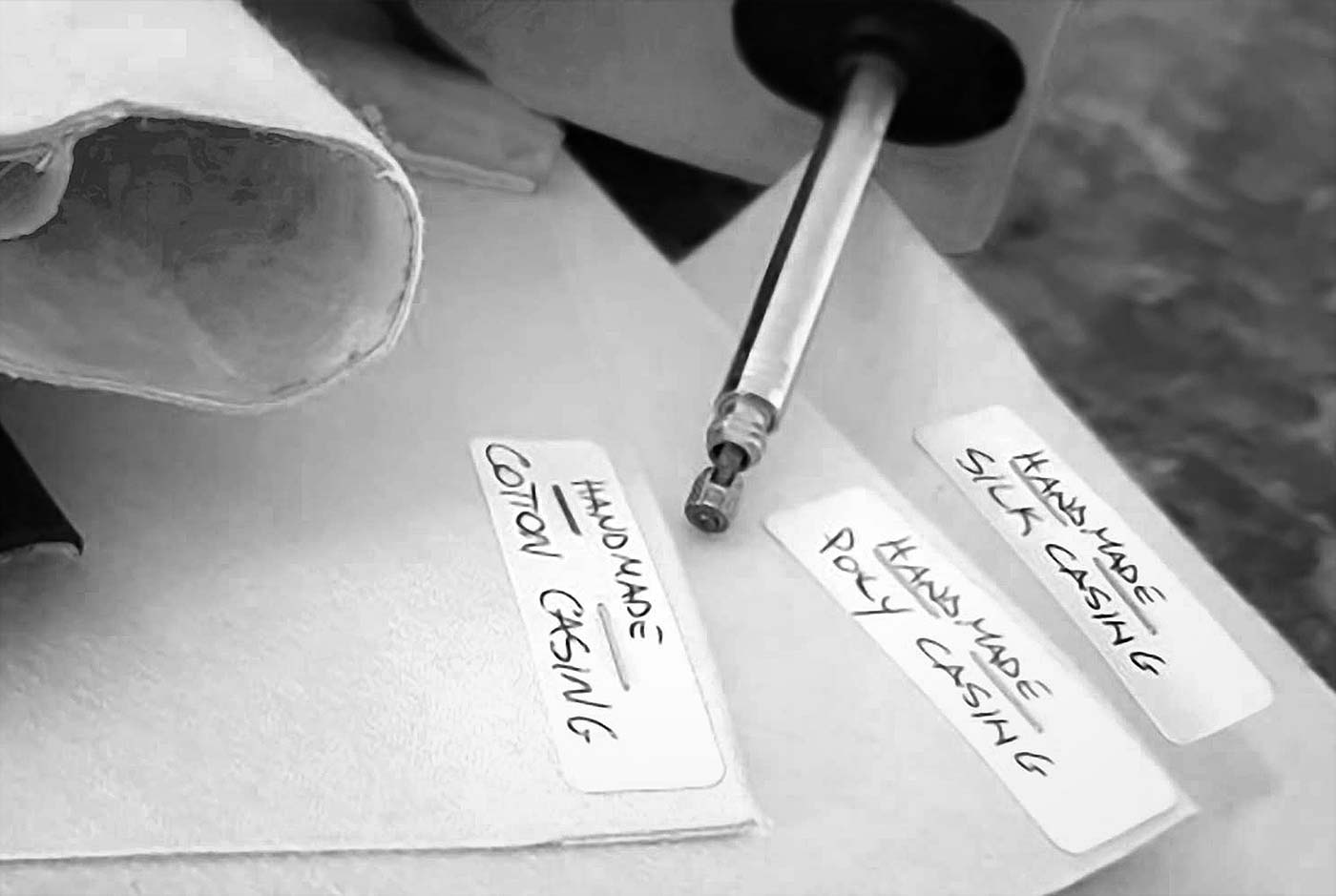
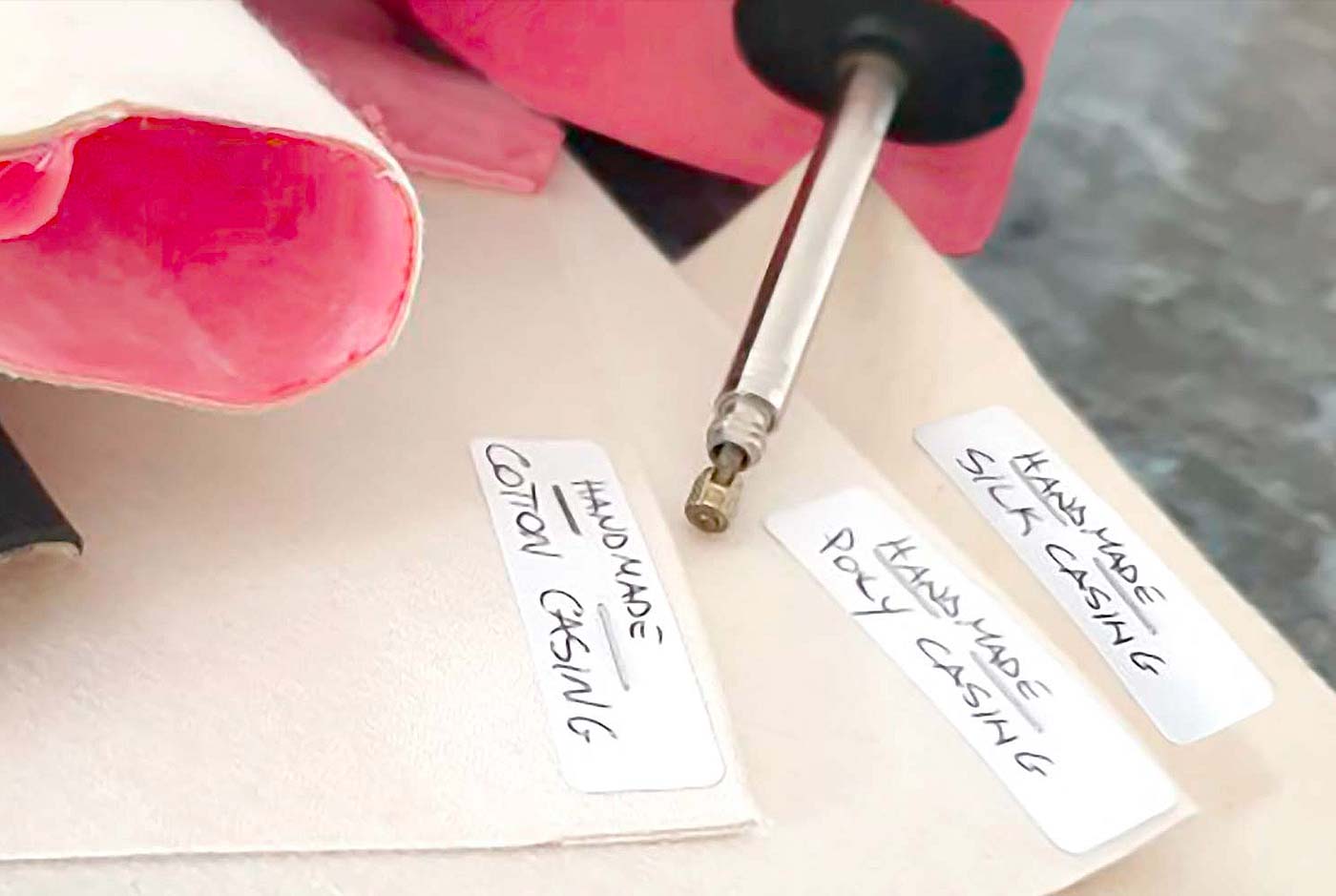
Les pneus fabriqués à la main Challenge allient confort, performance et adhérence d'une manière que les autres pneus ne peuvent égaler. Contrairement aux pneus fabriqués en série par vulcanisation industrielle – un procédé qui fait appel à des machines lourdes et à une main-d'œuvre minimale pour mouler à chaud du caoutchouc butyle synthétique et du nylon en forme de pneu –, les pneus fabriqués à la main sont assemblés étape par étape par des artisans expérimentés. Des colles naturelles de haute qualité et des revêtements en latex sont appliqués sur des matériaux de carcasse ultra-souples tels que la soie, le coton ou le polyester. La bande de roulement en caoutchouc naturel est moulée et fixée sans vulcanisation – les matériaux conservent ainsi leurs caractéristiques supérieures. Le résultat est un pneu fabriqué en petite série offrant une sensation de conduite tout simplement hors du commun.
Using natural rubbers and adhesives to coat and assemble high quality fabric casings is a much greener process than vulcanizing tires.
Handmade

Vulcanized
Vulcanized Tires
To understand what makes Challenge Handmade tires special, it's necessary to cover the basics of bicycle tire construction. To make a standard vulcanized tire (including expensive high-performance models) nylon mesh is dipped in a bath of butyl rubber and then calendared (squeezed) between big steel rollers to create the casing. Because the thread count is low (up to about 60TPI maximum), there are big spaces between threads filled with stiff, bouncy butyl rubber. The final casing is about 70% nylon and 30% butyl rubber. The casing is then combined in a mold with the butyl tread rubber and vulcanized (heated) into the final shape. These tires are durable but not particularly supple or high performance.
The process is quite dirty due to its high reliance on non-renewable resources like petroleum-based rubber.
HOW WE DO IT
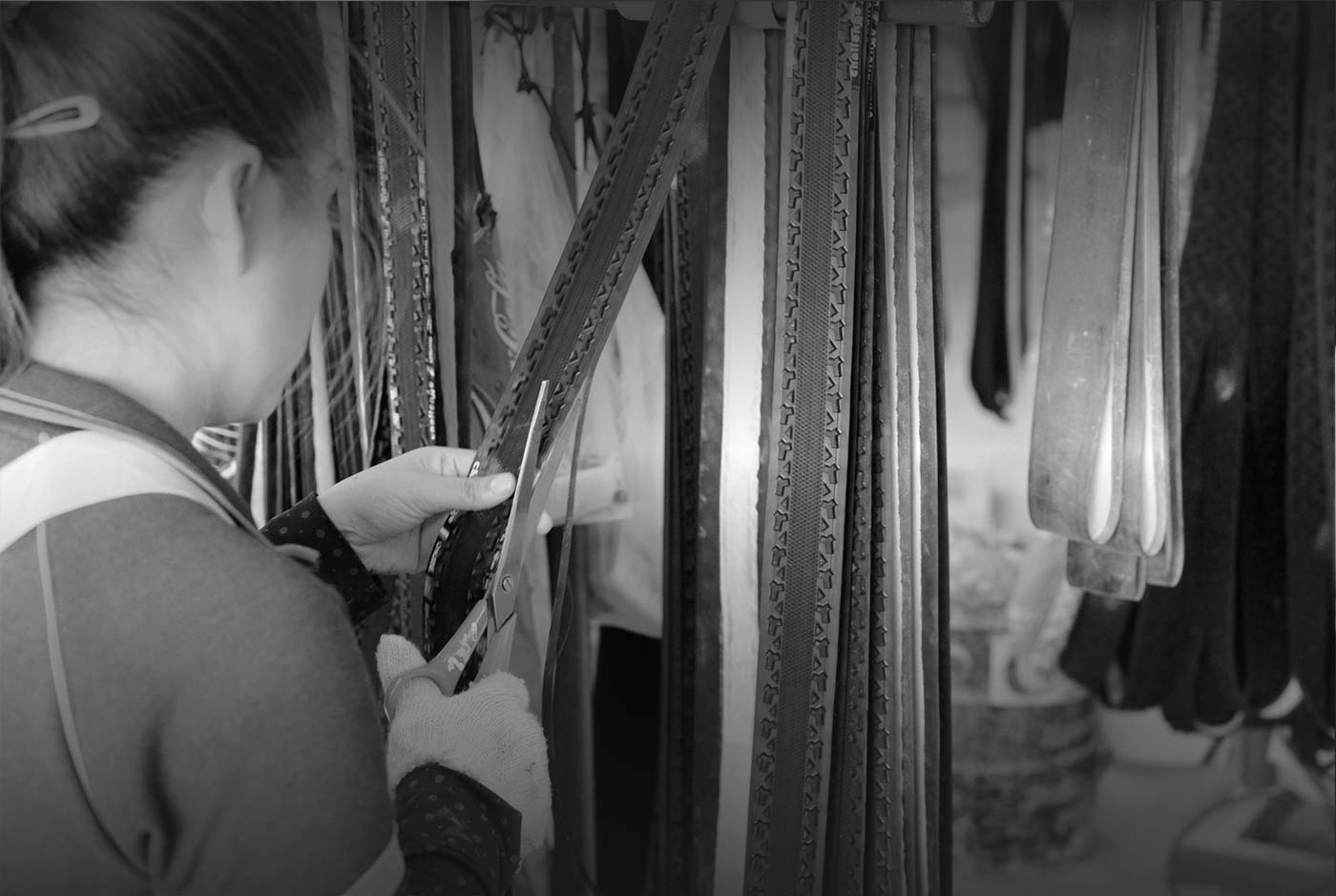
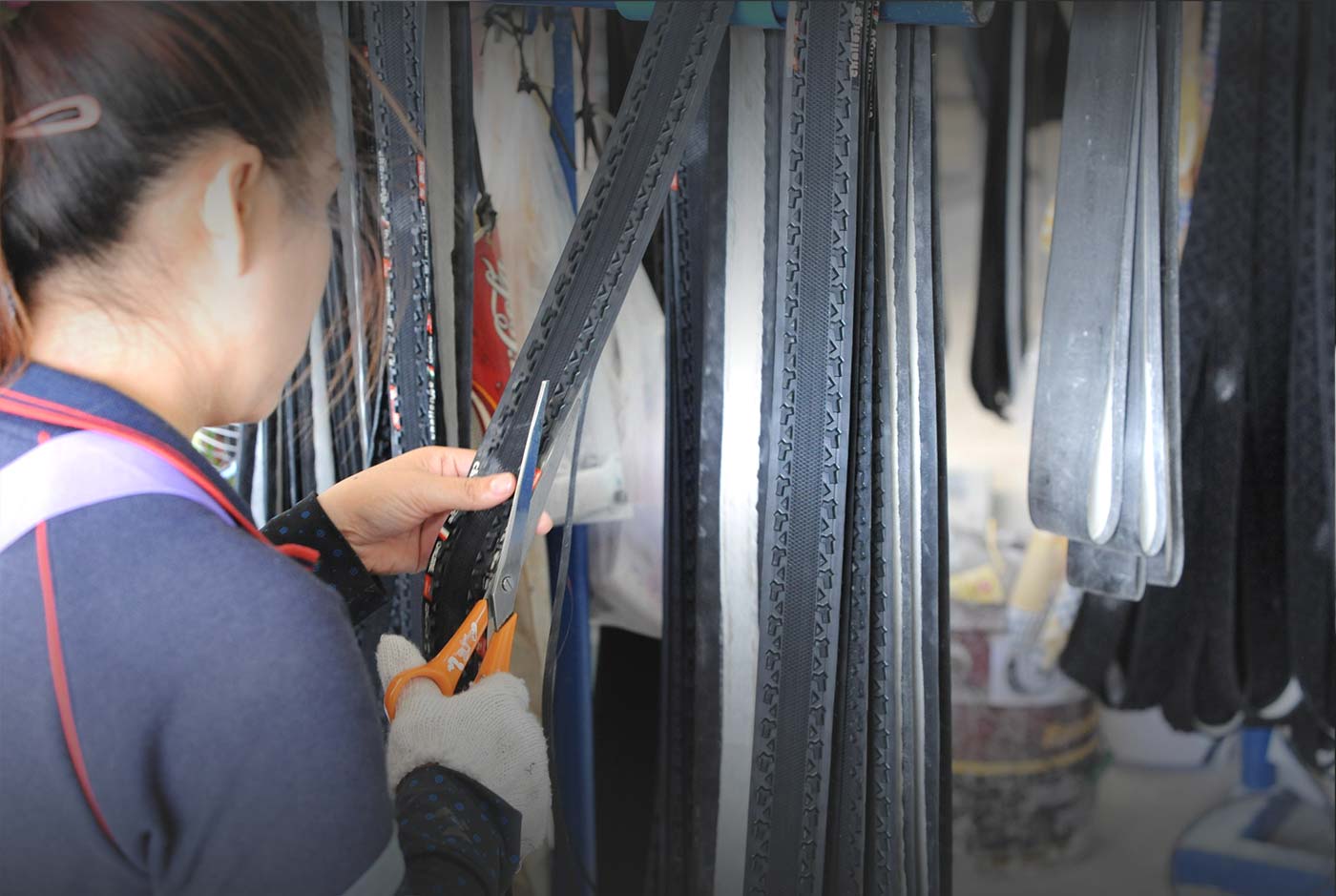
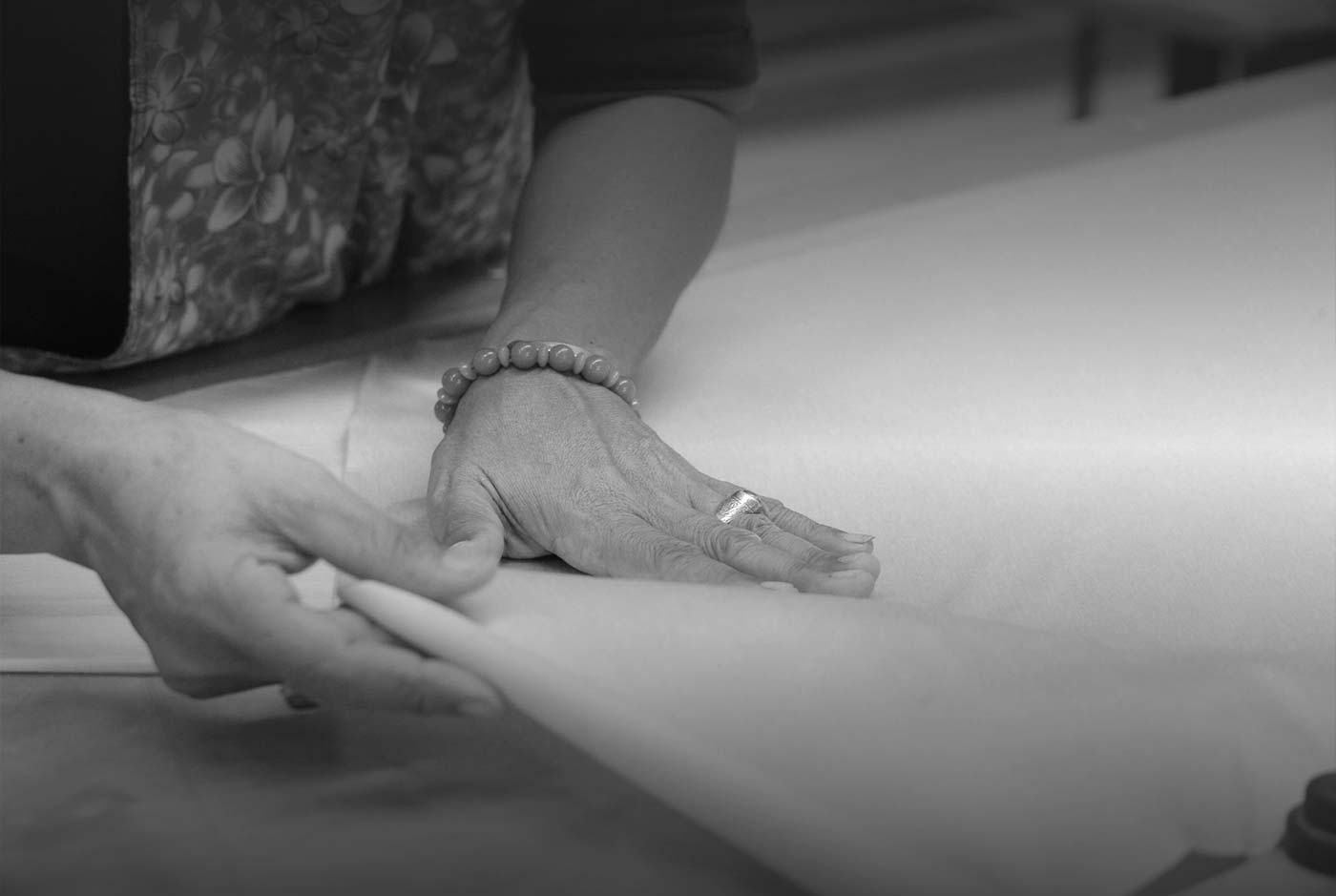
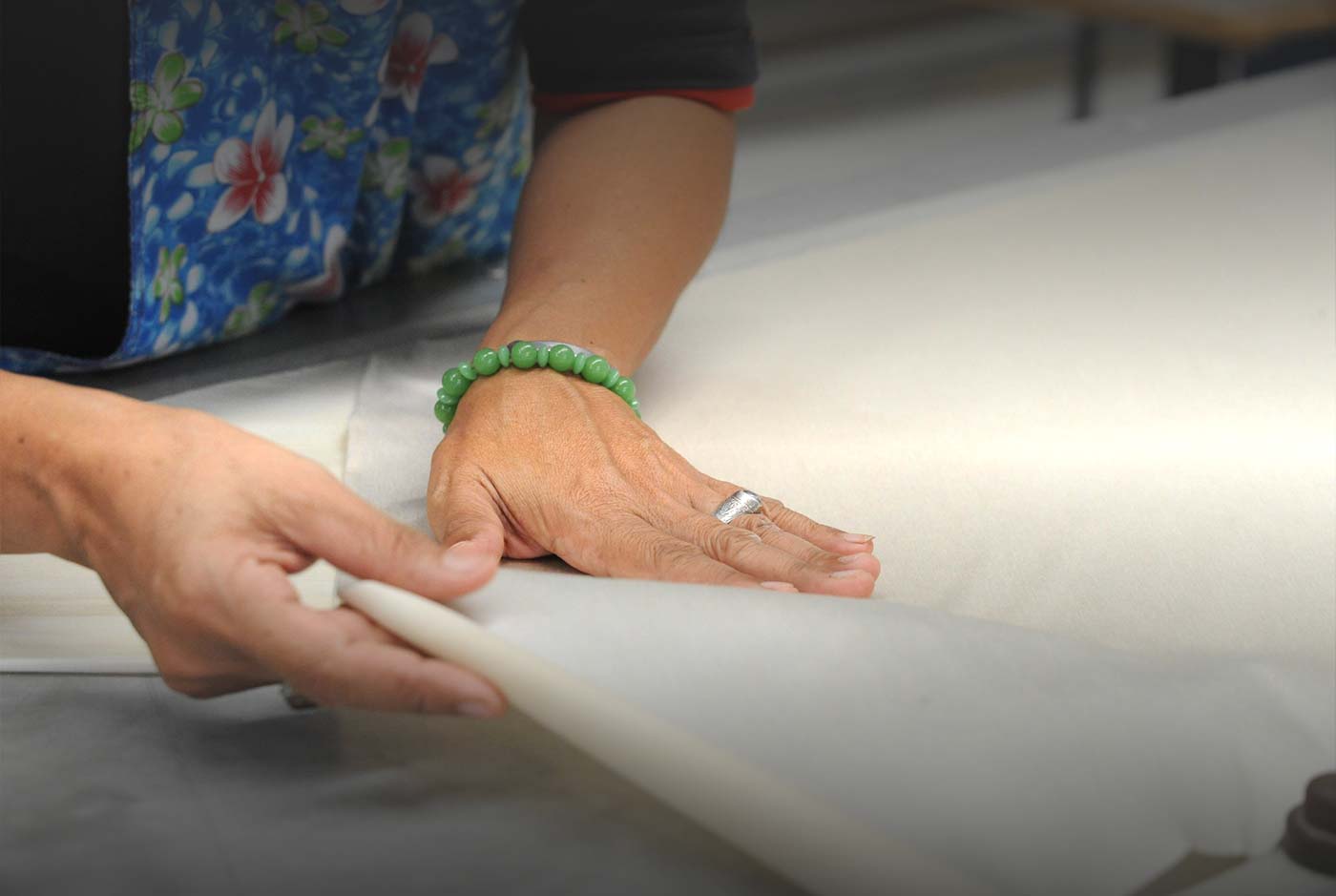
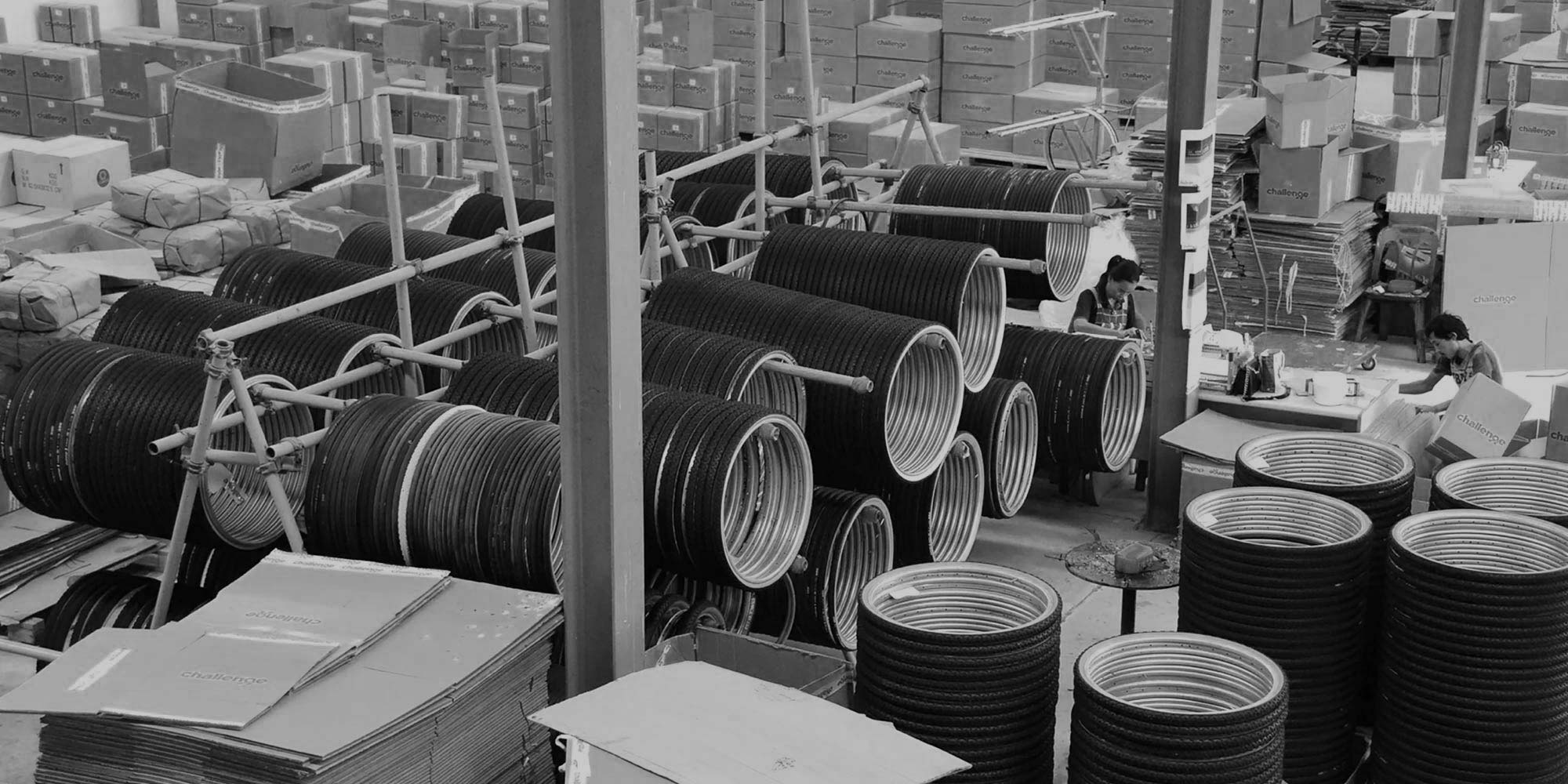
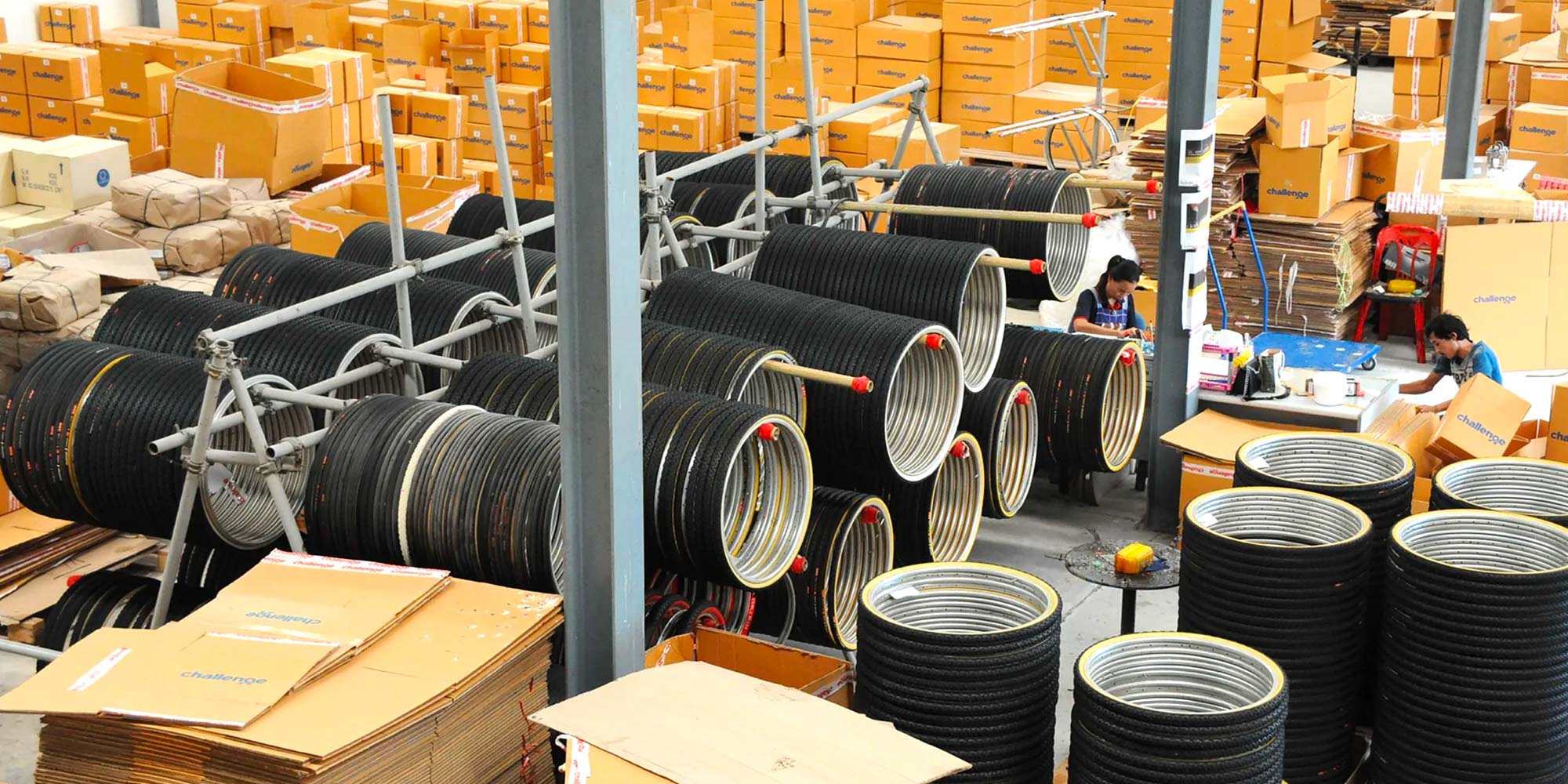
Natural Materials, Know How, and Very Skilled Hands
Caring for Your Handmade Tires
Challenge Handmade Tires are made with the highest quality materials and processes. Like a fine wine, they must stored and treated with care to have a long life and provide the highest level of performance, comfort and control. After being ridden in mud they should be washed with a light detergent with a soft brush and fully dried prior to being stored in cool, dark, dry room (yes, like a wine cellar). Handmade tires should never be stored wet or for long hours in direct sunlight or high heat.